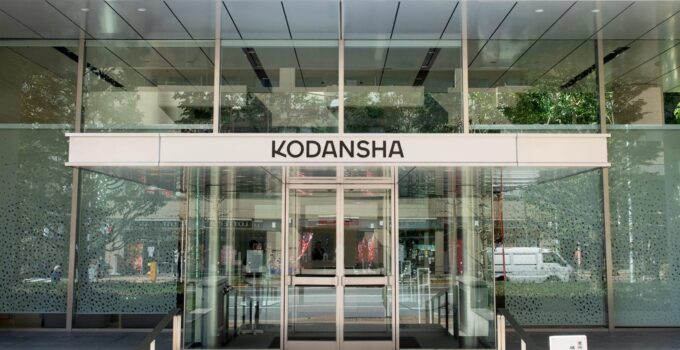
Kodansha USA Publishing, LLC has been bringing Japanese manga to the United States and English-speaking market since 2008. While manga has been popular in Japan since the mid-20th century, it wasn’t until the 1980s that it gained commercial success in the US. Today, manga is as prevalent, if not more so, than American comics, with dedicated sections in bookstores and libraries carrying popular titles.
Kodansha USA started by publishing well-known titles like Akira and Ghost in the Shell in English, and later added series like Attack on Titan and Wotakoi: Love is Hard for an Otaku. The company has navigated changes in the industry, including the rise of web manga and the shift towards digital distribution.
Alvin Lu, President and CEO of Kodansha USA, has been in the manga industry for over 25 years, starting at VIZ Media before joining Kodansha. He played a key role in the digital distribution of Kodansha Comics and Vertical titles, which eventually led to his current position at Kodansha USA.
Lu discussed the company’s strategy in the US market, noting the mainstream popularity of anime and manga and the need to adapt to a broader cultural arena. He emphasized the importance of understanding the entertainment side of the industry and meeting the demands of Gen Z consumers.
One challenge Kodansha USA faces is English localization, where adjustments are made to adapt Japanese content for an English-speaking audience. This process involves translating jokes, puns, and cultural references to ensure they resonate with readers in the US and North America. In the past, the localization of manga and anime was often heavily modified, leading to titles like Speed Racer and Astro Boy. However, recent years have seen a shift towards greater authenticity in translations, with fans using social media to compare the localization to the original work. Kodansha USA, with its team of bilingual editors, prioritizes fidelity and correctness in translation, reflecting the evolving expectations of the market.
Manga publishing has played a crucial role in introducing Japanese culture to the Western world, with its visual style, storytelling, and tropes serving as ambassadors for Japanese culture on a global scale. When deciding which titles to adapt, Kodansha USA faces the challenge of balancing established series with newer creators, often considering factors like popularity in Japan and the potential for an anime tie-in.
Events like Kodansha House provide a platform for fans to engage with manga creators and editors, fostering a sense of community and appreciation for the medium. By creating intimate environments for fans to connect with industry professionals, Kodansha USA aims to enhance the overall manga experience for both long-time enthusiasts and newcomers alike. Kodansha House de cette année a reçu la visite de l’artiste primée Megan Thee Stallion, ce qui est représentatif des multiples façons dont l’anime et le manga s’immiscent dans d’autres aspects de la vie tels que la musique et le divertissement plus large.
**La Lutte contre le Numérique et le Piratage**
L’entrée de Lu chez Kodansha a coïncidé avec la volonté plus large de l’entreprise de s’engager davantage dans l’édition numérique. Lu était la personne idéale pour parler de l’avenir de l’édition physique par rapport à l’édition numérique, surtout à une époque où une grande partie de ce que les lecteurs consomment est numérique.
**Regarder vers l’Avenir**
En ce qui concerne les choses à anticiper pour les fans, Lu a souligné des événements tels que Kodansha House qui donnent vraiment à Kodansha USA l’occasion d’être en contact direct avec les fans. En ce qui concerne les titres, il a mentionné un solide performer récent : *Blue Lock*.
Alors que Kodansha USA continue d’apporter à ceux d’entre nous aux États-Unis des séries brillantes comme celle-ci, vous pouvez découvrir des séries comme *Blue Lock* sur K Manga.